Brain Trauma

Brain trauma, also known as traumatic brain injury (TBI), is a serious medical condition resulting from a sudden impact or blow to the head. It can have significant consequences on a person’s physical, cognitive, and emotional well-being.
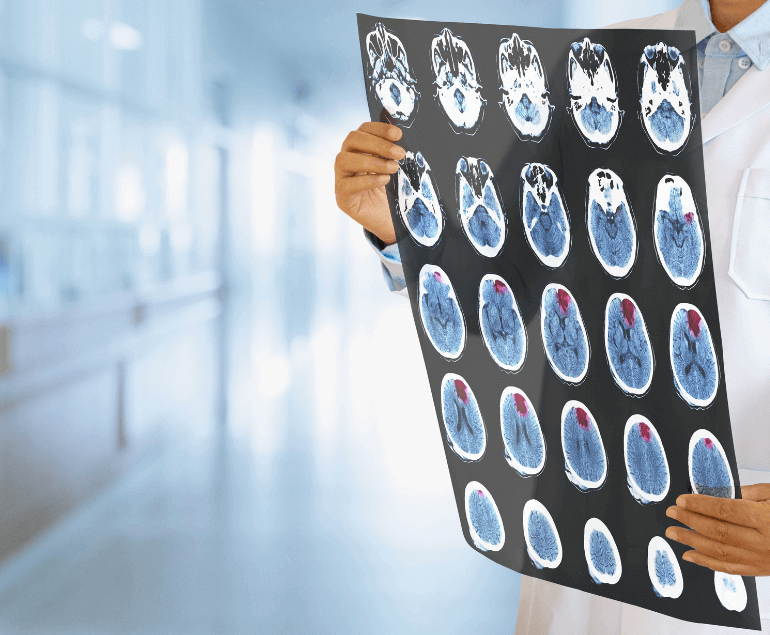
Brain Tumors

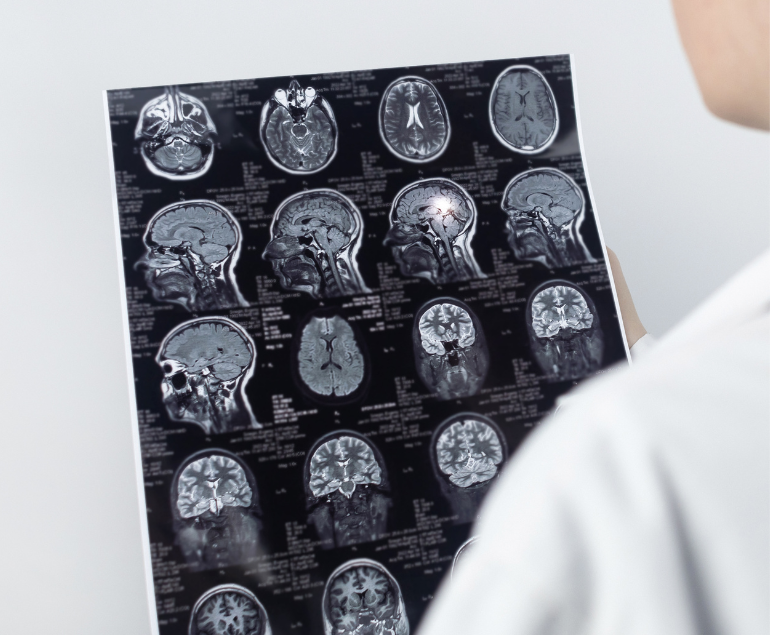
Brain tumors are abnormal growths of cells in the brain or the surrounding tissues. They can be either benign (non-cancerous) or malignant (cancerous). Unlike normal cells, brain tumor cells grow and divide uncontrollably, forming a mass or lump. These tumors can interfere with essential brain functions and, in severe cases, can be life-threatening.

Spine Trauma

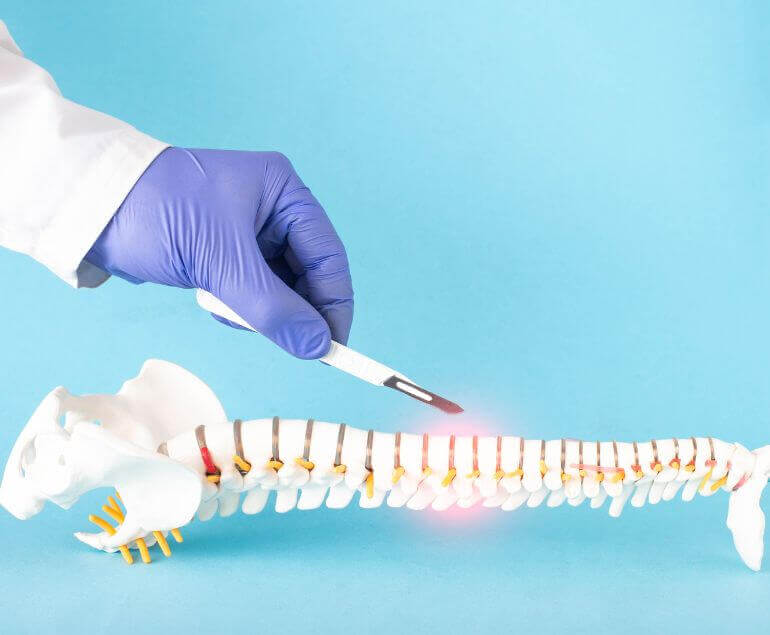
Spinal trauma, which can result from accidents, falls, or other injuries, can have a profound impact on a person’s life due to the crucial role the spine plays in supporting the body and facilitating various bodily functions.Which can be as simple as pain till complete paralysis.Despite the challenges, with proper medical care, emotional support, adaptive technologies, and rehabilitation, many individuals with spinal trauma lead fulfilling lives.

Spine Tumor

Being diagnosed with a spinal tumor can be overwhelming, but understanding the condition is a crucial step towards managing it effectively.

While a spinal tumor diagnosis can be daunting, advances in medical technology and personalized treatment plans offer hope. Understanding your condition, staying proactive in your care, and nurturing your emotional health can empower you in your journey toward recovery. Working closely with your healthcare team, you can navigate the challenges and move towards a better quality of life.

Hydrocephalus (large heads)

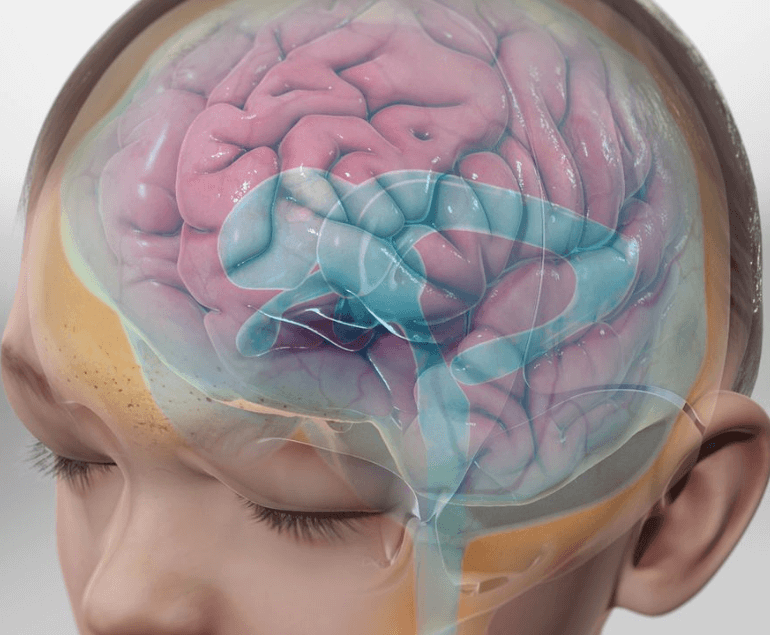
Hydrocephalus, a condition characterized by the accumulation of cerebrospinal fluid in the brain, can have a significant impact on family life. Coping with the challenges of hydrocephalus requires adjustments, support, and understanding from all family members.

Spinal Deformity

Spinal deformities, such as scoliosis, kyphosis, or lordosis, can have a significant impact on various aspects of a person’s life, both physically and emotionally.

It’s important for individuals with spinal deformities to have a multidisciplinary approach to care, involving orthopedic specialists, physical therapists, mental health professionals, and support networks. With proper medical care, emotional support, and adaptive strategies, many individuals with spinal deformities can lead fulfilling lives, emphasizing the importance of holistic support for both the affected individuals and their families.

Pain Management

Pain management is an essential aspect of healthcare services aimed at easing the discomfort experienced by individuals suffering from pain.