
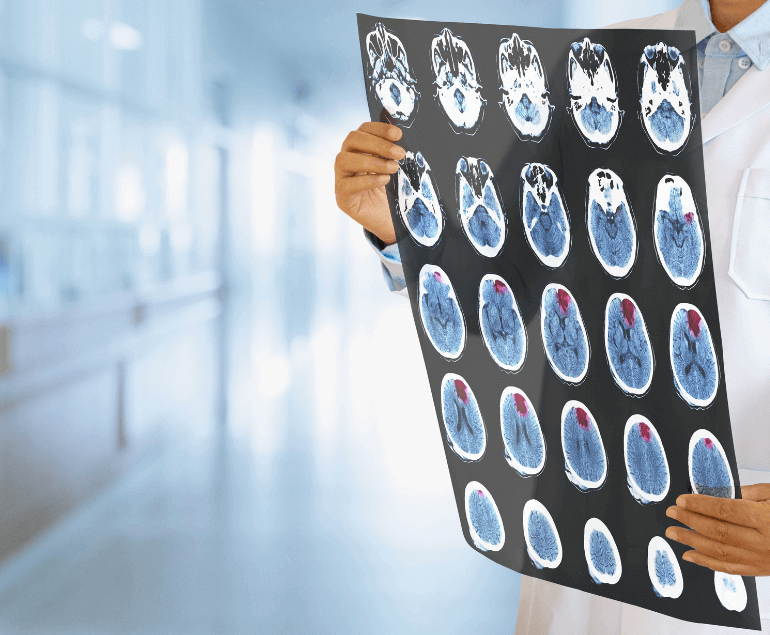
Brain Tumors Overview
Brain tumors can have a significant impact on the health and well-being of those affected. In order to better understand these tumors and the various treatment options available, it is important to stay informed and educated on the subject. By learning more about brain tumors, patients and their families can work with healthcare providers to make informed decisions about their care. The diagnosis of a brain tumor can be overwhelming, but with the right information and support, individuals can better navigate the treatment process and take control of their health.
- Meningiomas
- Gliomas
- Pituitary Tumors
- Posterior fossa tumors
- Orbital Tumors(Eye)
- Ventricular tumor
- Brain Cysts
Benefits With Brain Tumors Treatment
When undergoing treatment for brain tumors, one can expect a number of benefits that can improve the overall quality of life. These benefits can vary from individual to individual but can include relief from headaches, seizures, and other symptoms associated with the tumor. Treatment can also slow down tumor growth and extend one’s lifespan. It can help prevent loss of brain function and improve one’s ability to function day-to-day. Furthermore, treatment can help reduce anxiety by providing a clearer understanding of the situation and providing effective options for a care plan. Working closely with a skilled medical team can make a significant impact on the treatment’s success and beneficial outcomes. It is essential to prioritize communication with one’s healthcare provider to achieve optimal results, both physically and emotionally.
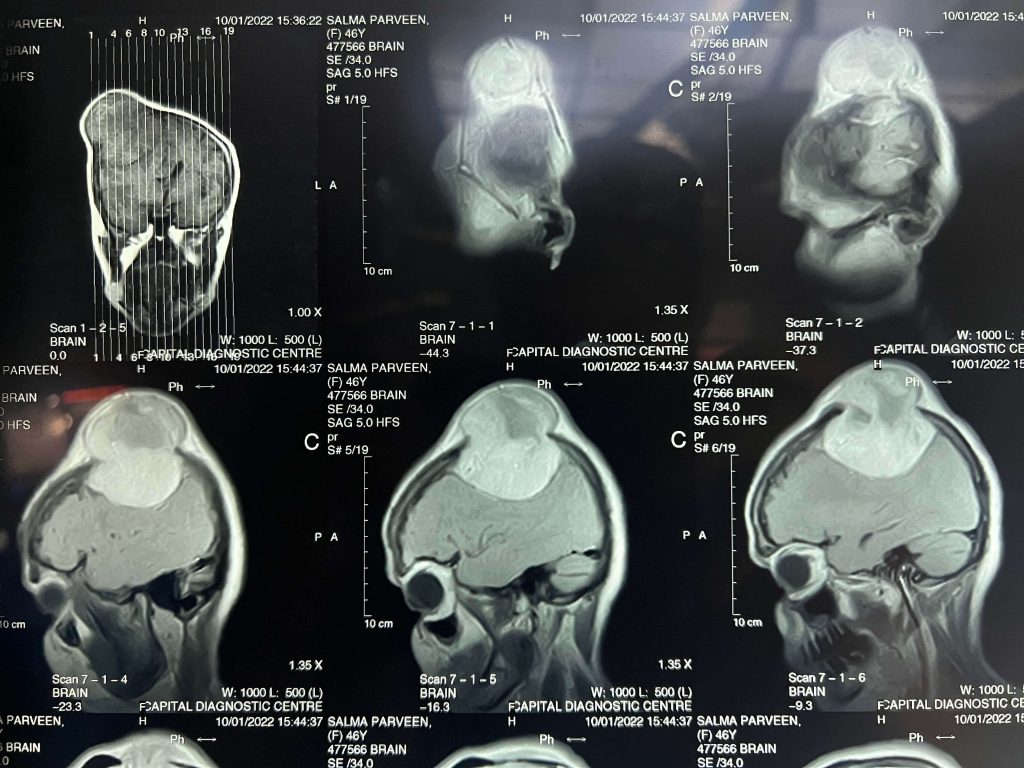
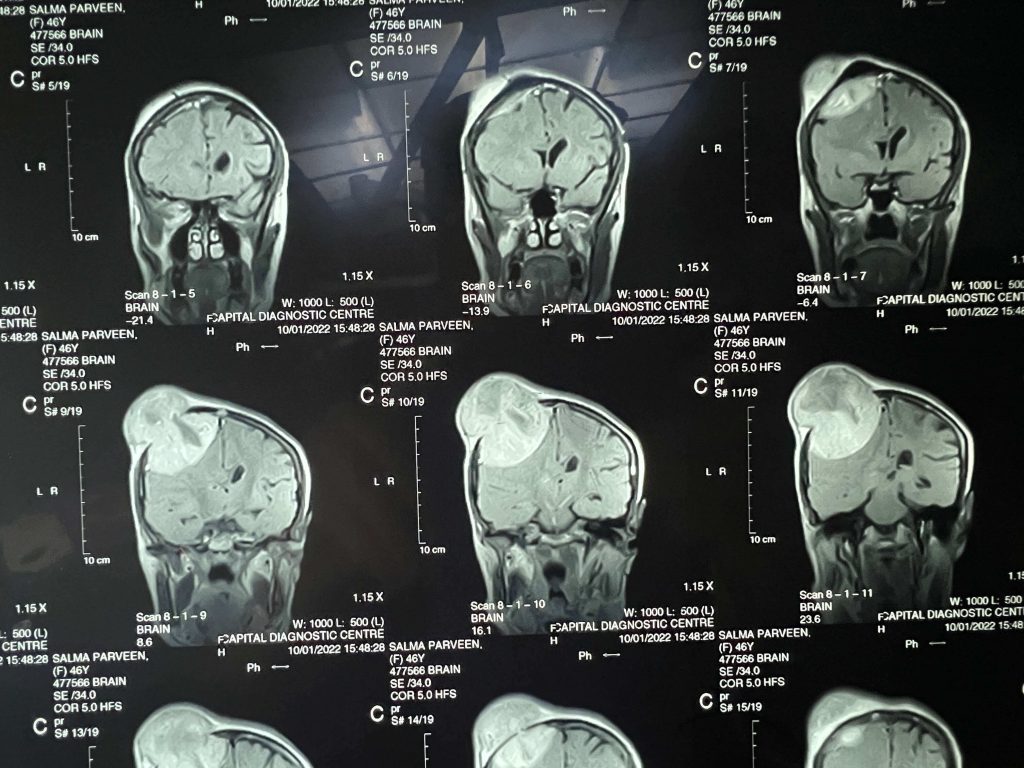
Health Tips & Info
Please feel free to contact us if you have any concerns or would like to schedule an appointment with our experienced team of medical professionals.
Follow Medical Advice: Always adhere to the advice and treatment plans provided by your healthcare team, including medications, therapies, and follow-up appointments.
Stay Active: Engage in gentle exercises as recommended by your healthcare provider. Physical activity can help maintain mobility, prevent muscle weakness, and improve overall well-being. Consult a physical therapist for tailored exercise programs.
Maintain a Healthy Diet: Eat a balanced and nutritious diet rich in fruits, vegetables, whole grains, and lean proteins. Proper nutrition supports your immune system and overall health.
Manage Pain: If you experience pain, discuss it with your healthcare provider. There are various pain management techniques, including medications, physical therapy, and relaxation methods, that can help improve your comfort.
Manage Stress: Practice stress-reducing activities such as deep breathing, meditation, yoga, or hobbies you enjoy. Stress management can improve your mental and emotional well-being.
Stay Hydrated: Drink an adequate amount of water throughout the day to stay hydrated. Proper hydration is essential for overall health and can help manage potential side effects of treatments.
Rest and Sleep: Get sufficient rest and sleep. Establish a relaxing bedtime routine and create a comfortable sleep environment. Quality sleep is essential for healing and overall health.
Seizure Management: If you are prone to seizures, take your prescribed medications regularly. Avoid triggers such as excessive stress and lack of sleep.
Seek Support: Don’t hesitate to lean on friends, family, or support groups for emotional support. Talking to others who are going through similar experiences can be incredibly helpful.
Avoid Tobacco : If you smoke, quit smoking, and limit alcohol consumption. It can have detrimental effects on your health and can interfere with your treatments.
Follow Post-Surgery Care: If you’ve undergone surgery, follow the post-surgery instructions provided by your healthcare team diligently. This includes wound care, medication management, and any physical therapy exercises.
Monitor Your Symptoms: Keep a record of your symptoms, including their frequency and intensity. This information can help your healthcare provider assess your condition accurately.
Stay Informed: Educate yourself about your condition and treatment options. Knowledge can empower you to actively participate in your care and make informed decisions.
As your healthcare provider, it is essential that you are equipped with the knowledge and resources you need to make informed decisions about your health. Please do not hesitate to contact me if you have any questions or concerns about your treatment options.