
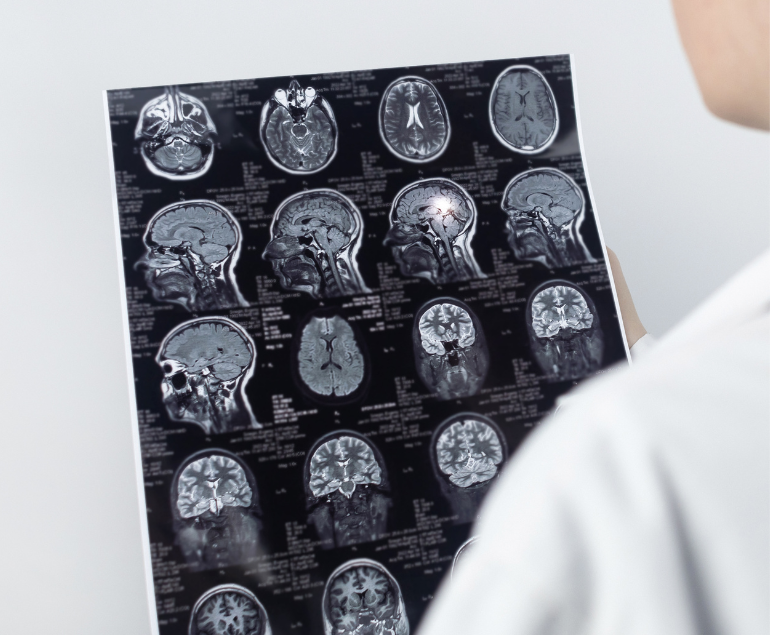
Brain Trauma Overview
Brain trauma, also known as traumatic brain injury (TBI), is a serious medical or surgical condition.
Brain trauma can range from mild concussions to severe injuries that lead to long-term complications. Common causes include car accidents, falls, sports injuries, and assaults.
symptoms may include headaches, dizziness, confusion, memory problems, mood changes, sensitivity to light or noise, nausea, and loss of consciousness.
In severe cases, surgery may be necessary to remove blood clots, repair skull fractures, or alleviate pressure on the brain.
- Skull Fracture
- Extradural Hematoma
- Subdural Hemtoma
- Concussions
- Contusions
- Penetrating Injuries
Brain Trauma Treatment Options
- Observation and Rest: Mild cases may require rest and close monitoring of symptoms.
- Medications: Pain relievers, anti-seizure drugs, and medications to reduce brain swelling might be prescribed.
- Rehabilitation: Physical therapy, occupational therapy, and speech therapy help individuals regain lost skills and improve their quality of life.
- Surgery: In severe cases, surgery may be necessary to remove blood clots, repair skull fractures, or alleviate pressure on the brain.


Preventions
Brain trauma can lead to long-term complications.
Wearing seat belts, helmets during sports activities, and taking precautions to prevent falls can significantly reduce the risk of brain trauma. Additionally, raising awareness about the importance of safety measures is crucial in preventing these injuries.
f you suspect a brain injury, seek immediate medical assistance to ensure the best possible outcomes for the affected individual.