
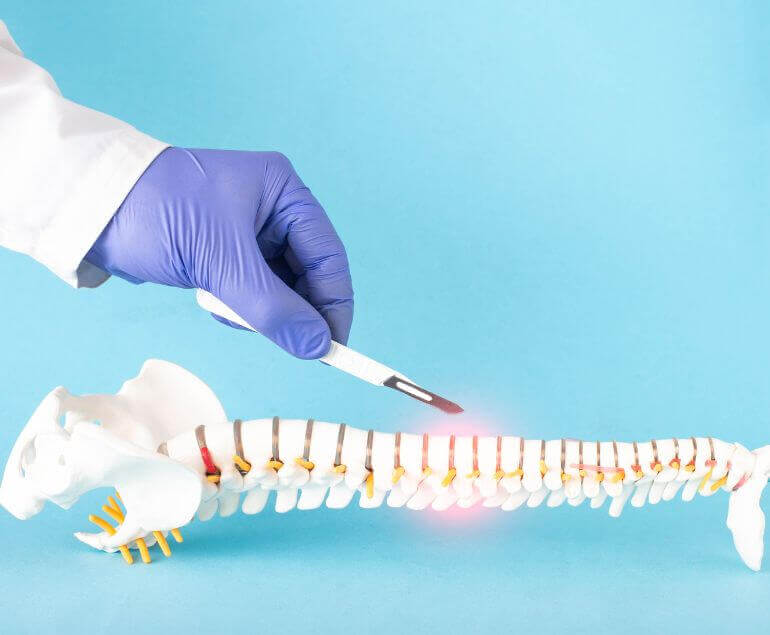
Spine Tumor Overview
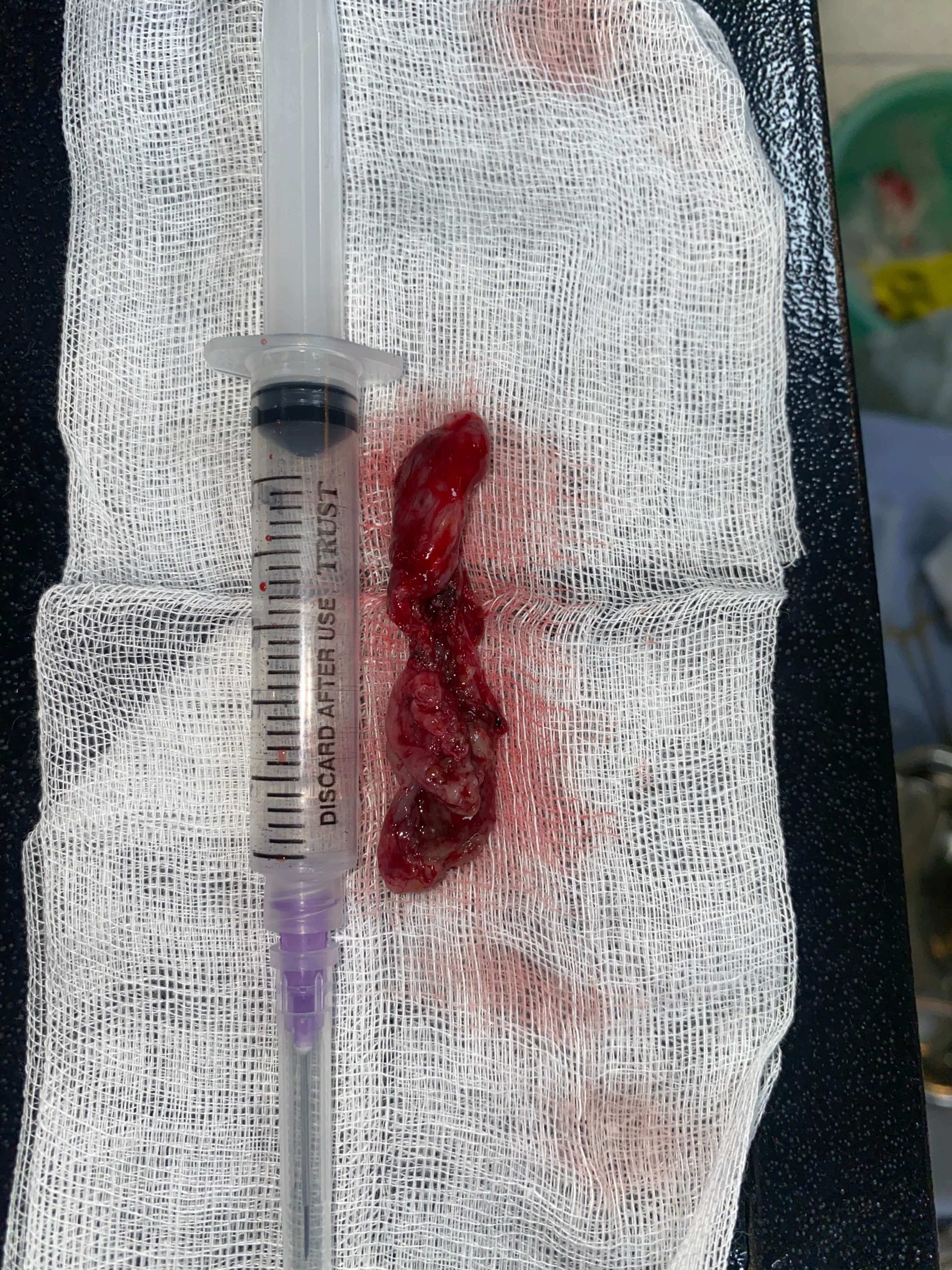
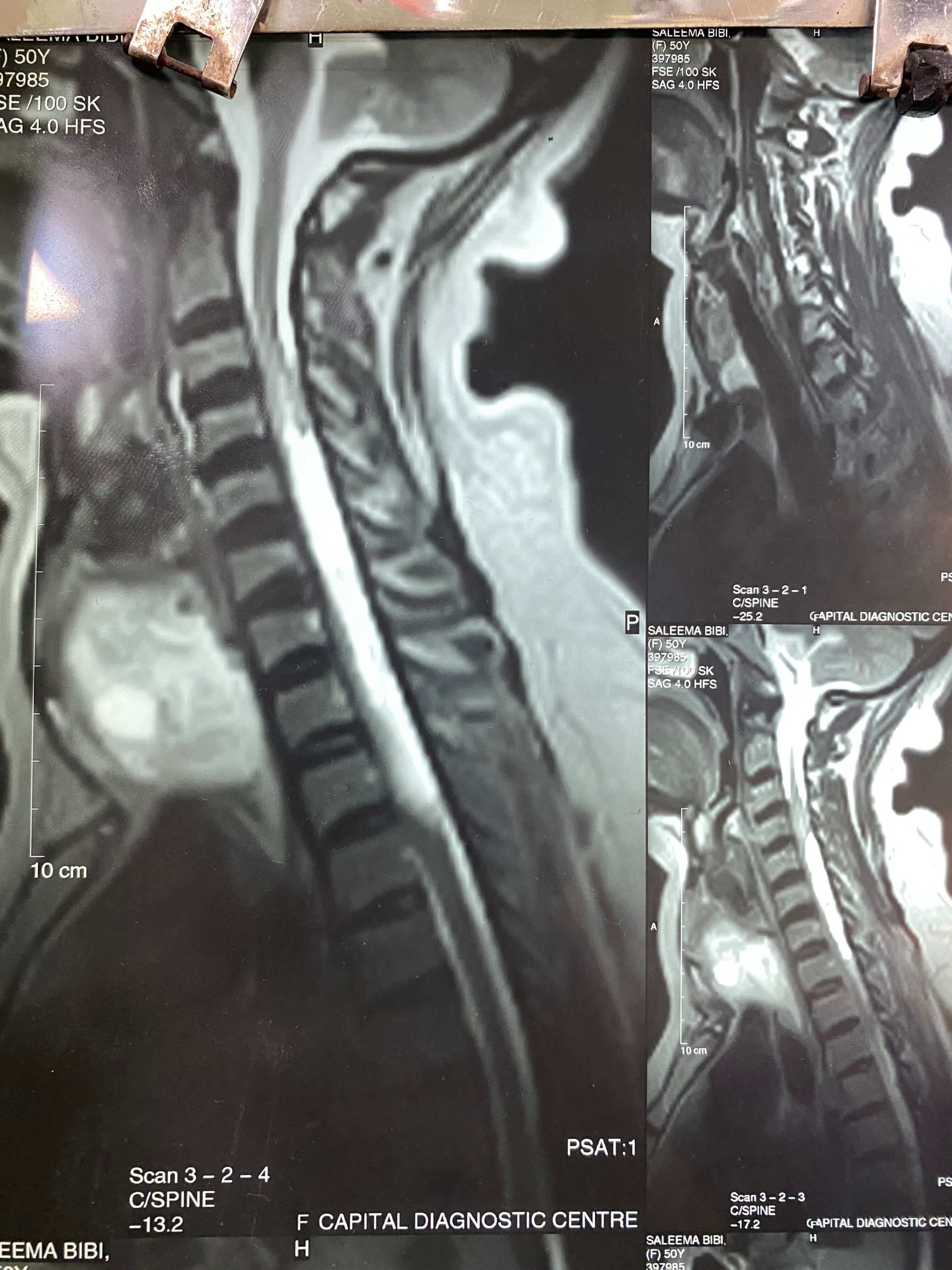
A spinal tumor is an uncontrolled growth of cells in the spine. These tumors can either originate in the spine (primary tumors) or spread to the spine from other parts of the body (secondary or metastatic tumors). They can be benign (non-cancerous) or malignant (cancerous).
The symptoms of a spinal tumor can vary widely but may include back pain, numbness or weakness in the limbs, difficulty walking, loss of bowel or bladder control, and in severe cases, paralysis.
- Meningiomas
- Nerve Sheath Tumors:
- Ependymomas
- Astrocytomas
- Metastatic Tumors
- Chordomas
Spinal Tumor Treatment Options
We are pleased to inform you about the various advantages that you can get when you avail of our Spine Tumor service. Our team of experts works tirelessly to provide you with top-quality treatment options for any spinal tumor-related issues that you may be facing. With our service, you can expect to receive customized care, as we understand that each patient’s condition is unique.Different Options are
Surgery: Surgical removal of the tumor is often the primary treatment, especially for tumors that can be safely removed without causing significant damage to the spinal cord.
Radiation Therapy: High-energy X-rays are used to shrink or destroy tumors. This method is often employed when the tumor cannot be completely removed.
Chemotherapy: Medications are used to kill cancer cells, especially for metastatic tumors originating from other parts of the body.
Health Tips & Info
Follow Medical Advice: Always adhere to the advice and treatment plans provided by your healthcare team, including medications, therapies, and follow-up appointments.
Stay Active: Engage in gentle exercises as recommended by your healthcare provider. Physical activity can help maintain mobility, prevent muscle weakness, and improve overall well-being. Consult a physical therapist for tailored exercise programs.
Maintain a Healthy Diet: Eat a balanced and nutritious diet rich in fruits, vegetables, whole grains, and lean proteins. Proper nutrition supports your immune system and overall health.
Manage Pain: If you experience pain, discuss it with your healthcare provider. There are various pain management techniques, including medications, physical therapy, and relaxation methods, that can help improve your comfort.
Manage Stress: Practice stress-reducing activities such as deep breathing, meditation, yoga, or hobbies you enjoy. Stress management can improve your mental and emotional well-being.
Stay Hydrated: Drink an adequate amount of water throughout the day to stay hydrated. Proper hydration is essential for overall health and can help manage potential side effects of treatments.
Seek Support: Don’t hesitate to lean on friends, family, or support groups for emotional support. Talking to others who are going through similar experiences can be incredibly helpful.
Avoid Tobacco : If you smoke, quit smoking, and limit alcohol consumption. It can have detrimental effects on your health and can interfere with your treatments.
Follow Post-Surgery Care: If you’ve undergone surgery, follow the post-surgery instructions provided by your healthcare team diligently. This includes wound care, medication management, and any physical therapy exercises.
Monitor Your Symptoms: Keep a record of your symptoms, including their frequency and intensity. This information can help your healthcare provider assess your condition accurately.
Stay Informed: Educate yourself about your condition and treatment options. Knowledge can empower you to actively participate in your care and make informed decisions.
Please feel free to contact us if you have any concerns or would like to schedule an appointment with our experienced team of medical professionals.