
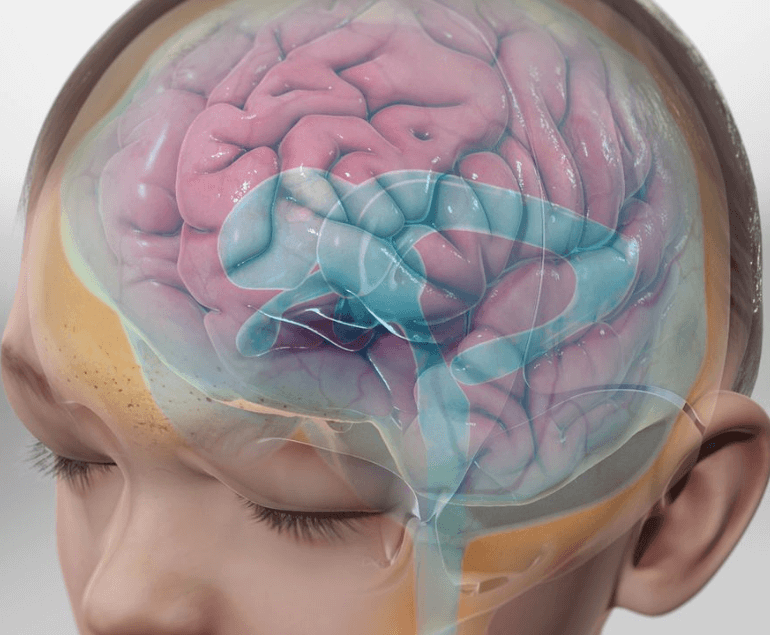
Hydrocephalus (large heads) Overview
Hydrocephalus is a neurological disorder that results in an accumulation of cerebrospinal fluid in the brain, leading to swelling and enlargement of the head. The condition can impact individuals of all ages and can result from a variety of causes such as congenital defects, infection, trauma, and tumors.
The symptoms can vary depending on the severity of the condition and the age of the individual. Infants and young children may display symptoms such as poor feeding, vomiting, lethargy, irritability, and developmental delays.
Adults may experience symptoms such as headache, nausea, vision problems, and difficulty with balance and coordination. Treatment for hydrocephalus can include surgery, medication, and therapy. Regular monitoring and management of the condition are necessary to prevent further complications and improve the overall quality of life for affected individuals.
- Endoscopic Third Venticulostomy
- Emergency EVD
- Ventricular Shunts
- Programmable Shunts
Benefits With Our Hydrocephalus (large heads) Surgery
Our Hydrocephalus service offers a range of benefits to those affected by the condition.
The primary goal of hydrocephalus surgery is to reduce the pressure inside the skull which helps prevent damage to the brain tissues.
Shunt surgery can alleviate these symptoms, improving the patient’s overall quality of life such as headaches, nausea, vomiting, vision problems, and cognitive impairments..
Untreated hydrocephalus can lead to severe complications, including blindness, seizures, and even death.
It’s important to note that while hydrocephalus surgery offers significant benefits, it may require ongoing medical management and monitoring, as complications can arise, and adjustments to the shunt system may be necessary over time. Patients and their families should work closely with us to ensure the best possible outcomes after surgery.
